Cocoa Percentage in Chocolate: What It Really Means
Cocoa percentage has a major effect on how chocolate tastes and feels in the mouth. The higher the percentage, the deeper the flavor and the denser the texture.
Updated 14 October 2026
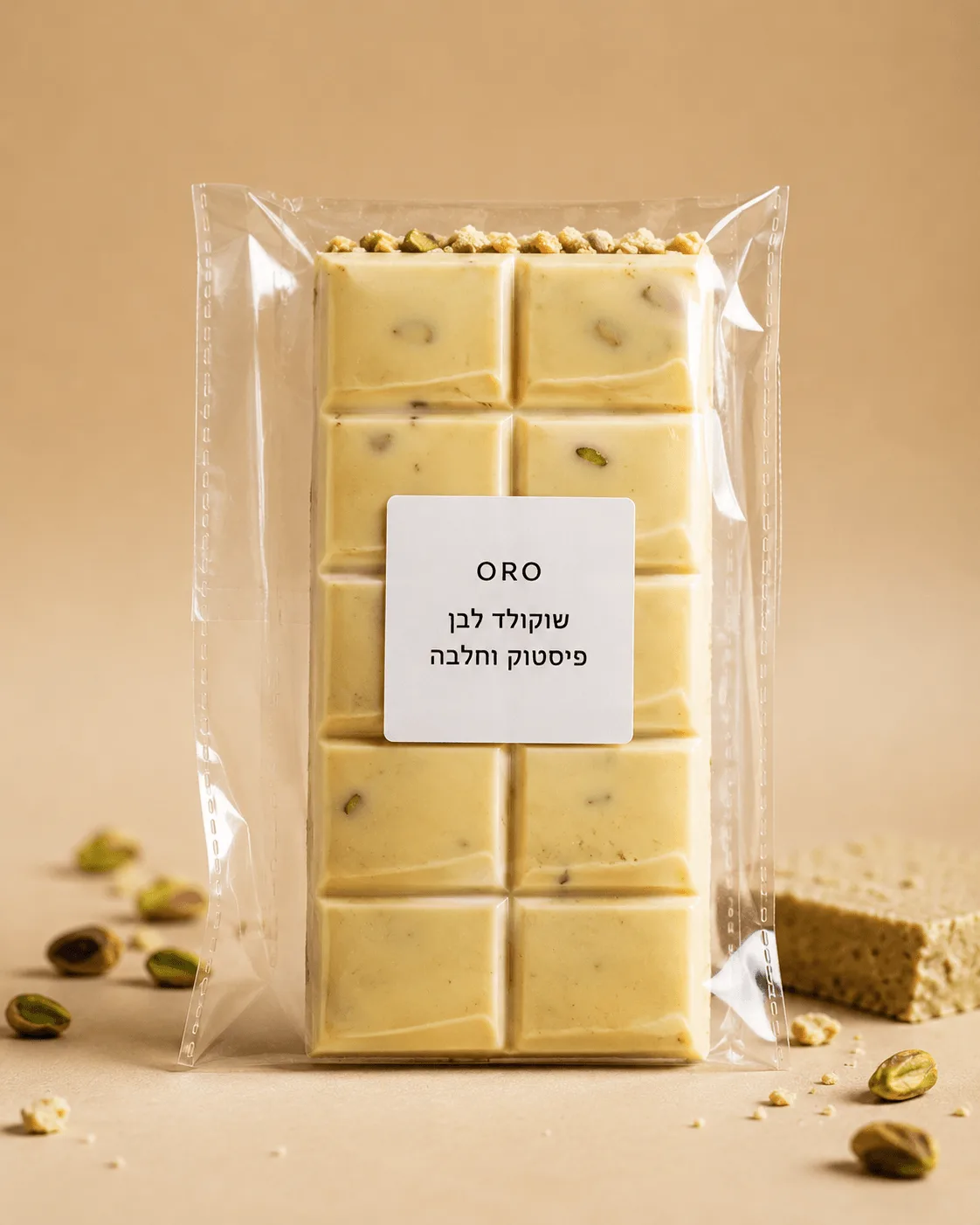
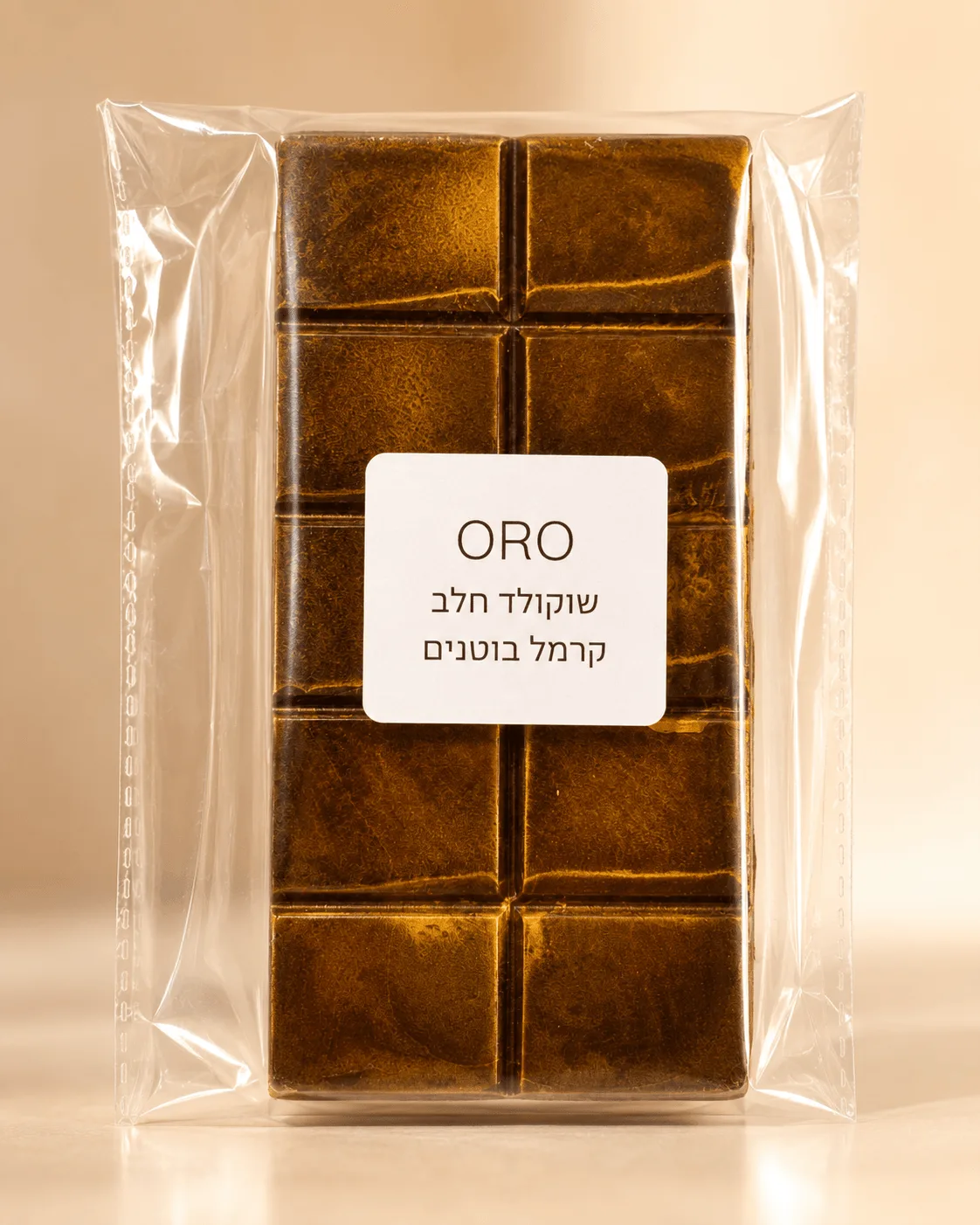
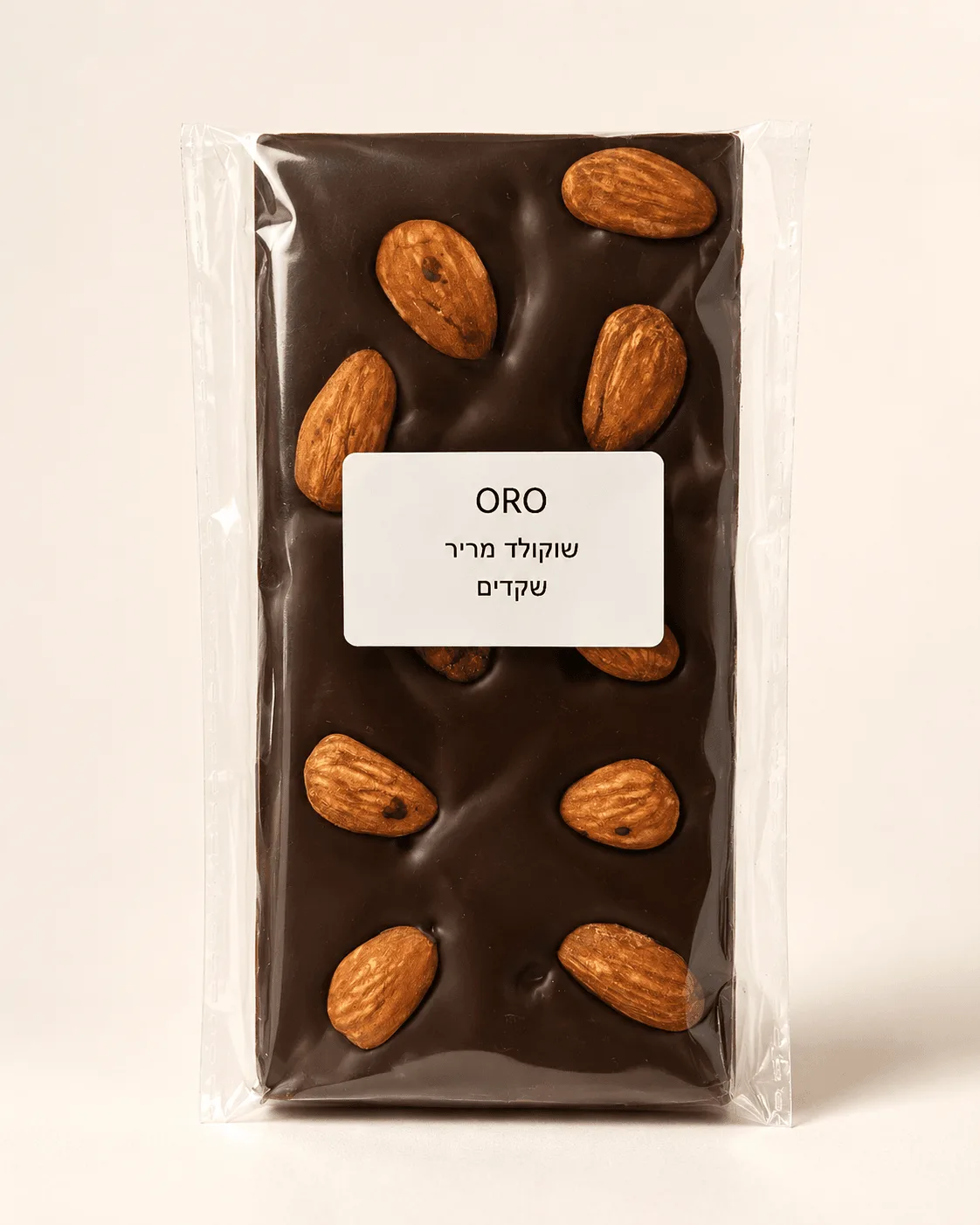
Cocoa percentage is one of the most telling numbers on a chocolate bar's label, shaping nearly everything about how it tastes and behaves. The higher the cocoa content, the darker and more bitter the chocolate tends to be — and that same figure also influences its texture and aromatic intensity.
What Does Cocoa Percentage Actually Mean?
Cocoa percentage refers to the proportion of cocoa solids and cocoa butter derived from the beans. A higher percentage generally signals a more bitter chocolate, with richer, more concentrated flavor and a less pronounced sweetness.
How Does Cocoa Percentage Affect Flavor?
The higher the cocoa percentage, the less sweet and more complex, darker the flavor becomes. High-percentage chocolate can carry subtle notes of fruit or earthiness, depending on the cocoa variety and its origin.
What's the Link Between Cocoa Percentage and Texture?
Cocoa percentage also shapes texture — chocolate with a high proportion of cocoa solids tends to be denser and firmer. This affects the mouthfeel and the way the chocolate melts on the tongue.
Is There a Connection Between Cocoa Percentage and Health?
We can't make health claims, but chocolates with a higher cocoa percentage are often perceived as less sweet and lower in sugar.