Why Does Chocolate Turn White? The Main Reasons
Chocolate turns white mostly due to the crystallisation of sugars or fats. Temperature and humidity changes drive this process. It doesn't affect the taste, only the appearance.
Updated 5 November 2026
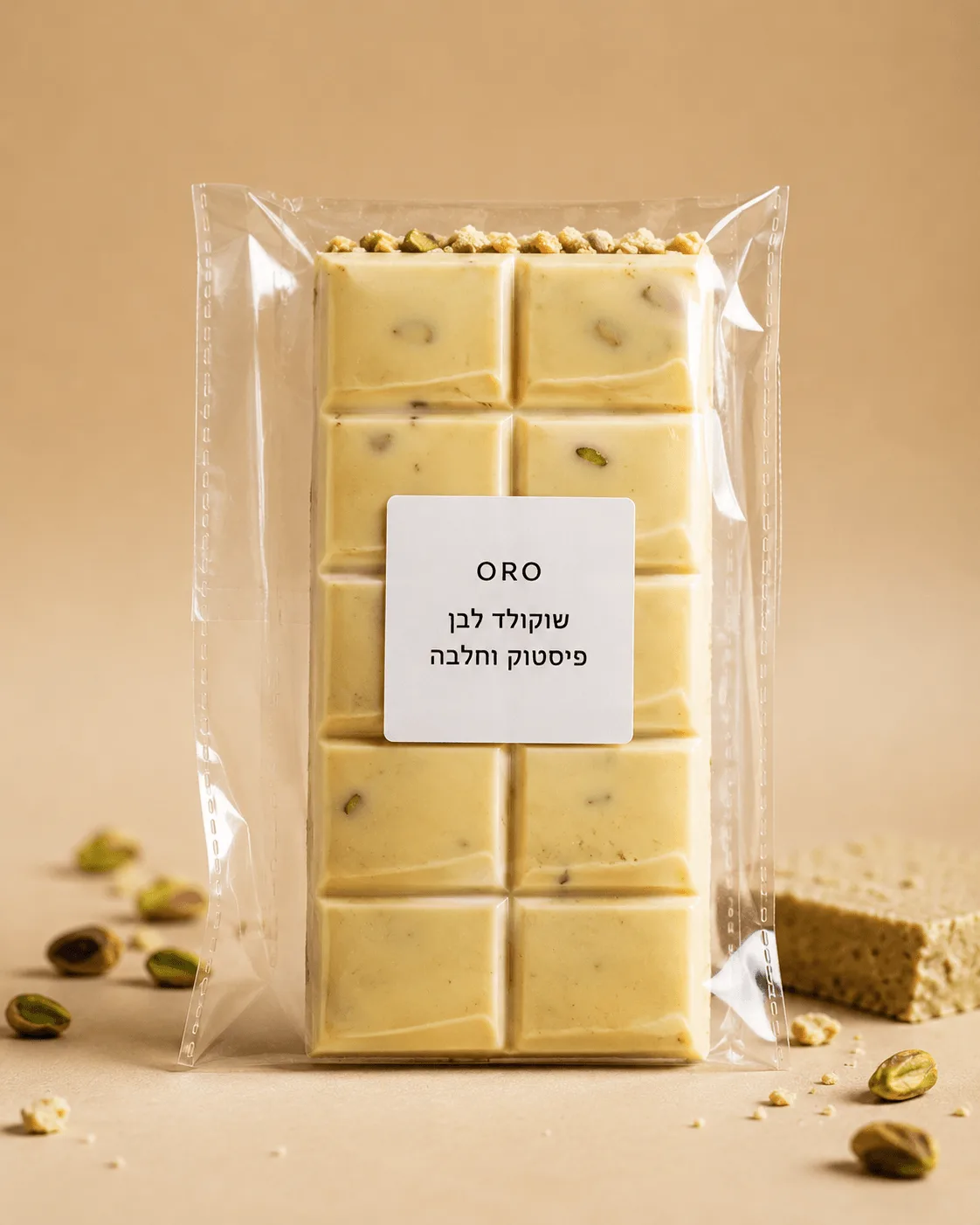
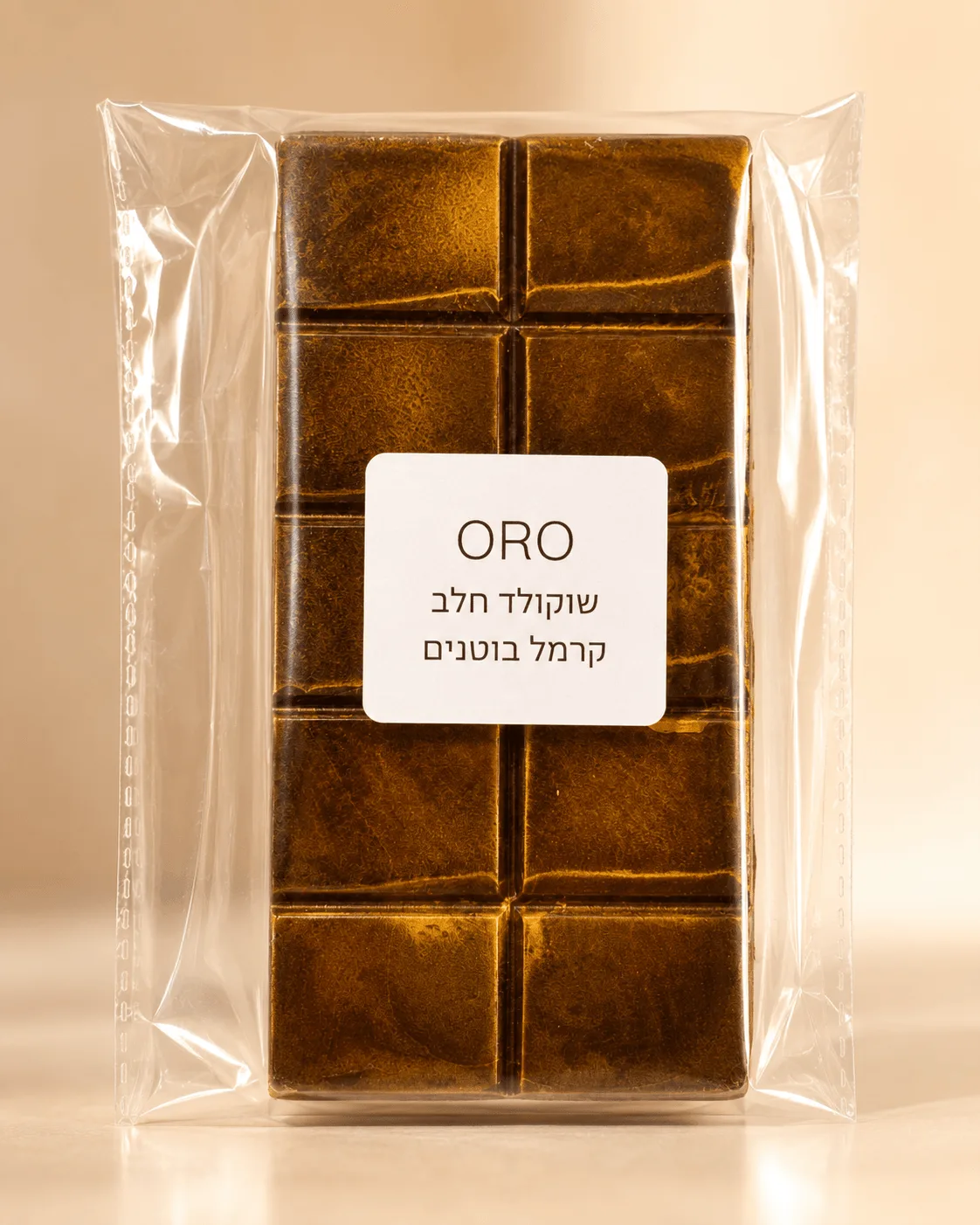
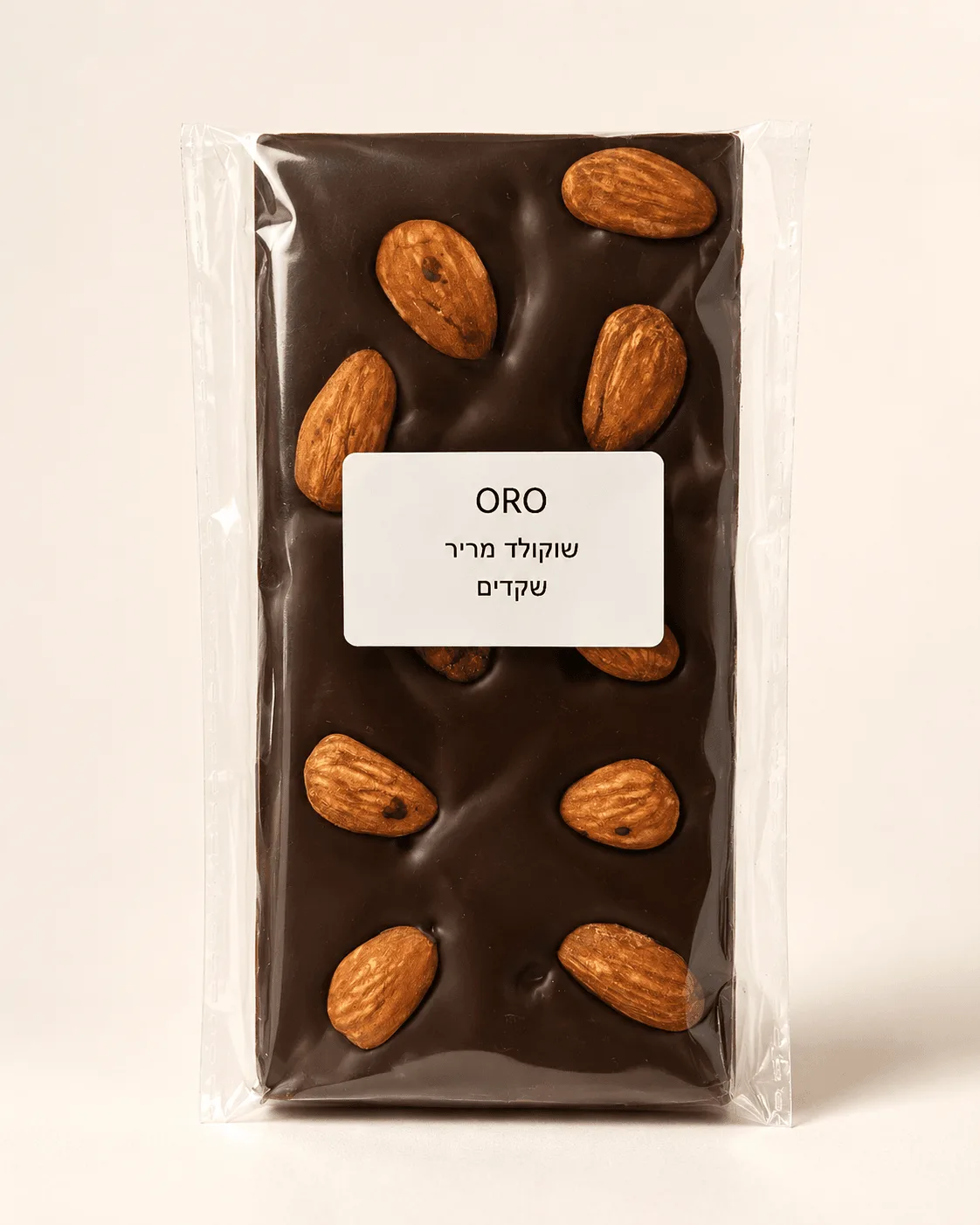
Has your chocolate suddenly developed a white tint? This is a well-known phenomenon that happens to chocolate for various reasons. Keep reading to understand what causes chocolate to whiten and how to deal with it.
What Causes Chocolate to Turn White?
Chocolate whitening mainly happens for two reasons: fat bloom and sugar bloom. Fat bloom occurs when cocoa fat migrates to the surface of the chocolate, while sugar bloom is caused by sugar crystallising in the presence of moisture.
How Can You Prevent Chocolate from Whitening?
To prevent whitening, store chocolate in a cool, dry place at a steady temperature. Try to avoid moving chocolate between locations with varying temperatures.
Is Whitened Chocolate Dangerous?
Chocolate whitening isn't dangerous and doesn't affect the chocolate's taste or safety. It's purely a cosmetic change. The chocolate remains just as safe to eat as it was before the process occurred.
How Can You Fix Whitened Chocolate?
If you want to restore chocolate's original appearance, you can re-melt it and let it set again at a controlled temperature. However, this method isn't suitable for every product.